Upselling y Cross-selling con IA: La Guía Definitiva para Aumentar el Ticket Medio de tu Restaurante en 2025
TL;DR:
- El Secreto de la Rentabilidad: Aumentar el ticket medio es la forma más eficaz de incrementar los ingresos de un restaurante sin necesidad de atraer más clientes.
- IA como Aliado Estratégico: Los agentes de IA pueden aumentar el ticket medio hasta en un 25% a través de técnicas de upselling y cross-selling inteligentes.
- Más Allá de la Venta Sugestiva: La IA no se limita a sugerir el vino más caro. Analiza las preferencias del cliente para ofrecer recomendaciones personalizadas que realmente mejoran su experiencia.
- El Futuro son los Menús Inteligentes: Los menús digitales interactivos, gestionados por agentes de IA, son la herramienta definitiva para implementar estas técnicas a gran escala.
¿Qué son el Upselling y el Cross-selling en Hostelería?
El upselling consiste en animar al cliente a comprar una versión más cara o premium del producto que ya ha elegido (ej. una ginebra premium en lugar de la estándar). El cross-selling, por su parte, consiste en ofrecer productos complementarios al que el cliente ha elegido (ej. unas patatas fritas para acompañar la hamburguesa).
El Papel de los Agentes de IA en el Aumento de Ingresos
Un agente de IA, como los que desarrolla tubot, puede aplicar estas técnicas de forma mucho más sofisticada y efectiva que un humano. ¿Cómo? Analizando los datos del cliente en tiempo real (historial de pedidos, preferencias, etc.) para hacer recomendaciones que no solo aumenten el valor del pedido, sino que también mejoren la experiencia gastronómica del cliente.
Estrategias Prácticas para Aumentar el Ticket Medio con IA
1. Menús Digitales Inteligentes
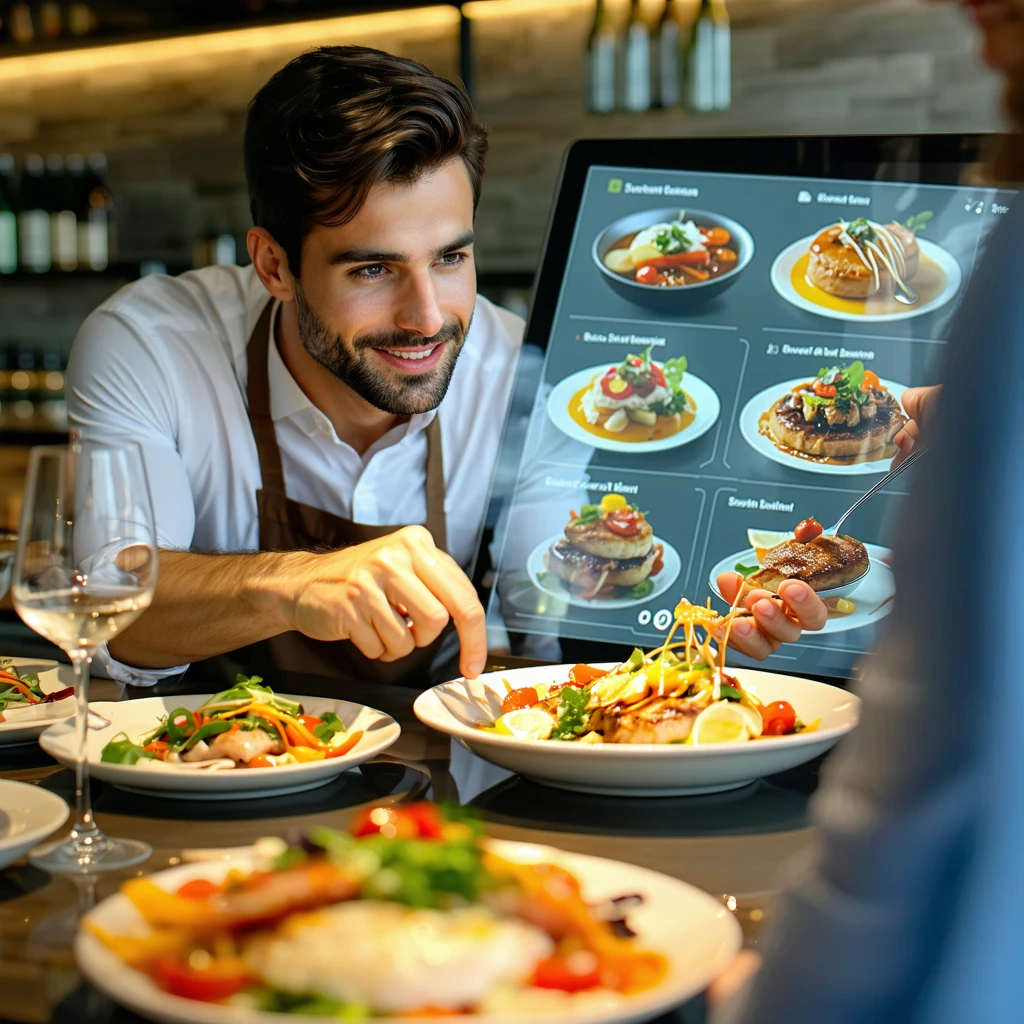
- Descripción: El cliente escanea un código QR y accede a un menú interactivo gestionado por un agente de IA. A medida que el cliente explora los platos, el agente le presenta opciones de upselling y cross-selling de forma inteligente.
- Ejemplo Práctico: Si un cliente elige una hamburguesa, el menú le sugiere añadir queso de cabra por 1€ más (upselling) y le recomienda una cerveza artesanal que marida perfectamente con la carne (cross-selling).
- Beneficios: Aumento del ticket medio, mejora de la experiencia del cliente y reducción de los tiempos de espera.
2. Sistemas de Recomendación Personalizados
- Descripción: El agente de IA analiza el historial de pedidos del cliente para hacerle recomendaciones personalizadas.
- Ejemplo Práctico: Si un cliente ha pedido varias veces platos picantes, el agente puede sugerirle un nuevo plato con un toque de chile que acaba de añadirse a la carta.
- Beneficios: Aumento de la satisfacción y fidelización del cliente, y mayor probabilidad de que pruebe platos nuevos y de mayor precio.
3. Promociones y Ofertas Dinámicas
- Descripción: El agente de IA puede crear y ofrecer promociones personalizadas en tiempo real.
- Ejemplo Práctico: Si un cliente pide dos entrantes, el agente puede ofrecerle un tercero con un 50% de descuento.
- Beneficios: Aumento del valor del pedido y percepción de un trato exclusivo por parte del cliente.
Implementación: Guía Paso a Paso para Restaurantes
- Evaluación de tu Menú y Procesos: Identifica los platos con mayor potencial para upselling y cross-selling.
- Selección de la Plataforma de IA Adecuada: Elige una solución como tubot, que te permita crear menús inteligentes y sistemas de recomendación personalizados.
- Integración con tus Sistemas: Conecta el agente de IA con tu TPV para tener acceso a los datos de ventas y poder analizar el rendimiento de las recomendaciones.
- Capacitación de tu Personal: Enseña a tu equipo a promocionar el menú inteligente y a reforzar las sugerencias del agente de IA.
ROI y Costes de la Implementación de IA
| Inversión | Rango de Precios (Pymes) | Retorno Esperado |
|---|---|---|
| Software (SaaS) | 100€ - 400€ / mes | Aumento del ticket medio del 15-25% |
| Implementación | 300€ - 1.500€ (pago único) | Aumento de la rotación de mesas del 10% |
| Mantenimiento | Incluido en SaaS | Mejora de la satisfacción del cliente |
Casos de Éxito en España
Cadenas de hamburgueserías y pizzerías en España ya están utilizando menús digitales con QR para agilizar los pedidos. El siguiente paso, que ya están dando los restaurantes más innovadores, es dotar a esos menús de inteligencia para que no solo tomen nota del pedido, sino que también vendan de forma proactiva. Los resultados son claros: un aumento de la facturación y una mejora de la experiencia del cliente.
FAQ sobre Upselling y Cross-selling con IA
- ¿Mis clientes se sentirán cómodos interactuando con una IA para pedir?
- Sí. La mayoría de los clientes, especialmente los más jóvenes, prefieren la comodidad y la rapidez de los menús digitales. La clave es que la interfaz sea intuitiva y las recomendaciones, relevantes.
- ¿El agente de IA puede gestionar pedidos para clientes con alergias?
- Sí. El agente puede filtrar los platos según las alergias del cliente y ofrecer alternativas seguras, mejorando la confianza y la seguridad del cliente.
- ¿Qué pasa si un cliente prefiere la atención de un camarero?
- El menú inteligente no reemplaza al camarero, lo complementa. El cliente siempre puede llamar al personal si lo necesita. De hecho, al liberar al camarero de la tarea de tomar nota, este tiene más tiempo para ofrecer una atención de mayor calidad.
Conclusión: El Futuro de la Venta en Hostelería es Inteligente
El upselling y el cross-selling han sido siempre técnicas clave en la hostelería, pero la inteligencia artificial las ha llevado a un nuevo nivel de eficacia y personalización. Los restaurantes que adopten agentes de IA para potenciar sus ventas no solo aumentarán sus ingresos, sino que también ofrecerán una experiencia gastronómica más rica y satisfactoria a sus clientes. No te conformes con tomar nota; empieza a vender de forma inteligente.
¿Estás listo para aumentar el ticket medio de tu restaurante con la ayuda de la inteligencia artificial? Solicita una demostración de tubot y descubre cómo nuestros agentes de IA pueden empezar a transformar tu negocio hoy mismo.